EveryEvent Bali

すべてのEventsを見る

Find every event in Bali

events

Concerts & Live Music
Festivals
Sports & Recreation
Food & Drink
Arts & Culture
Community
Family & Kids
Nightlife
Comedy
Theater
人気の目的地
BaliSedonaLos AngelesCosta RicaNew YorkSan FranciscoAustinMiamiJoshua TreeTulum
すべてのカテゴリを見るすべての目的地を見る

すべての機能を探索

イベントを成長させる強力なツール

プラットフォーム機能

スマートダイナミックプライシング
チケットカテゴリ
座席指定
カート放棄リカバリー
訪問者リカバリー
寄付とスライディングスケール
アフィリエイトシステム
チケットスキャナー
クーポンコード
カスタム質問
チケット共有
アップセルとアドオン
分析とレポート
メールシーケンス
ウェイトリスト / 通知 / リマインダー
探索
Discovery HubArtists & PerformersVenuesKnowledge Base
すべての機能を見る私たちについて
料金ブログ
Saved events
すべてのイベントを見る

events

Concerts & Live MusicFestivalsSports & RecreationFood & DrinkArts & CultureCommunityFamily & KidsNightlife

人気の目的地

BaliSedonaLos AngelesCosta RicaNew YorkSan Francisco

探索

Discovery HubArtists & PerformersVenuesKnowledge Base

プラットフォーム機能

スマートダイナミックプライシングチケットカテゴリ座席指定カート放棄リカバリー訪問者リカバリー寄付とスライディングスケールアフィリエイトシステムチケットスキャナークーポンコードカスタム質問チケット共有アップセルとアドオン分析とレポートメールシーケンスウェイトリスト / 通知 / リマインダー
すべての機能を見る私たちについて
料金ブログ
ログイン新規登録イベント主催者
  • Browse All Events
  • Concerts & Live Music
  • Festivals
  • Sports & Recreation
  • Food & Drink
  • Arts & Culture
  • Community
  • Family & Kids
  • Nightlife
  • すべてのカテゴリ →
  • All Destinations →
  • For Promoters
  • For Artists
  • For Venues
  • For Festivals
  • For Event Spaces
  • For Nonprofits
  • For Bloggers
  • For Speakers
  • Brand Ambassador
  • Case Studies
  • 35万人以上のバイヤーネットワーク
  • カート放棄リカバリー
  • スマートダイナミックプライシング
  • チケットカテゴリ
  • 定期イベント
  • 座席指定
  • アフィリエイトシステム
  • ウェイトリスト / 通知
  • チケットスキャナー
  • 埋め込みウィジェット
  • Event Syndication
  • Message Center
  • Integrations
  • Reports
  • すべての機能 →
  • 概要
  • The Ecosystem
  • ブログ
  • 用語集
  • Inspiration
  • ヘルプセンター
  • お問い合わせ
  • APIドキュメント
  • ブランドアセット
  • 採用
  • プレス
  • 利用規約
  • プライバシーポリシー

Events

  • Browse All Events
  • Concerts & Live Music
  • Festivals
  • Sports & Recreation
  • Food & Drink
  • Arts & Culture
  • Community
  • Family & Kids
  • Nightlife
  • すべてのカテゴリ →

Getaways

  • All Destinations →

For Organizers

  • For Promoters
  • For Artists
  • For Venues
  • For Festivals
  • For Event Spaces
  • For Nonprofits
  • For Bloggers
  • For Speakers
  • Brand Ambassador
  • Case Studies

機能

  • 35万人以上のバイヤーネットワーク
  • カート放棄リカバリー
  • スマートダイナミックプライシング
  • チケットカテゴリ
  • 定期イベント
  • 座席指定
  • アフィリエイトシステム
  • ウェイトリスト / 通知
  • チケットスキャナー
  • 埋め込みウィジェット
  • Event Syndication
  • Message Center
  • Integrations
  • Reports
  • すべての機能 →

会社

  • 概要
  • The Ecosystem
  • ブログ
  • 用語集
  • Inspiration
  • ヘルプセンター
  • お問い合わせ
  • APIドキュメント
  • ブランドアセット
  • 採用
  • プレス
  • 利用規約
  • プライバシーポリシー
EveryEvent
© 2026 EveryEvent Bali. 全著作権所有.
Inspire

Afepakian: A Mantra of Gratitudeto Costa Rica's Indigenous Land

Deva Premal
Deva Premal
Jul 29, 2025
8 min read

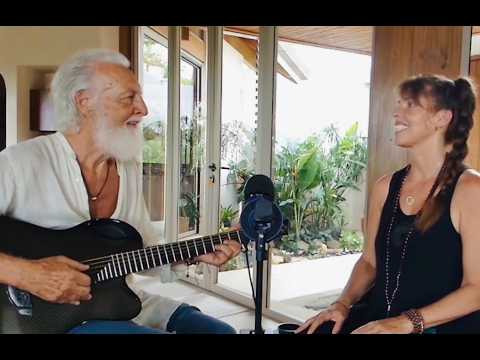
"Afepakian" is a chant and mantra from Deva Premal's album The Inevitable Blossoming of the Heart that functions as a love letter to Costa Rica and its indigenous Maleku people. The word itself means "thank you" in the Maleku language, and the track weaves together ancestral instruments (including a hand-carved cedar drum called a talí and a rare pre-Columbian ocarina), Miten's English and Spanish verses from his song "Ashes to Ashes," and the spontaneous howling of howler monkeys that live on the land where it was recorded. The composition emerged from collaboration with Dani Mora (who performs as Amore Luciente), a Costa Rican musician and scholar of indigenous culture who brought both the word and the instruments to the project, transforming what began as an instrumental passage into a cross-cultural offering rooted in gratitude to the earth.

Read · 7 sections

What does "Afepakian" mean and why choose an indigenous word for the chant?

Afepakian is the Maleku word for "thank you"—one of the oldest languages still spoken in Costa Rica, belonging to one of the country's indigenous tribes. Deva Premal chose this word as the title and core intention of the chant because, as she explains, gratitude itself "feels like one of the most important words that we carry." By singing a word rooted in the land's oldest inhabitants, the track becomes not just a devotional practice but a direct acknowledgment of and return to the people and place itself. The Maleku have lived on this land for centuries, and their language carries the spiritual memory of that relationship. Using their word for "thank you" transforms the chant into what Deva describes as "a huge offering and a huge sign of gratitude…towards this beautiful land, this rich and abundant land of Costa Rica, the nature that is so powerful and sweet and strong and lush."

How did the collaboration with Dani Mora shape the composition?

Dani Mora, who performs under the stage name Amore Luciente (meaning "shimmering love"), is a Costa Rican musician and cultural scholar who brought both the word "Afepakian" and the indigenous instruments that define the track's sound. In his own words, Mora describes his work as "listening to this land as a children of this nature trying to find its message" and asking himself why he was born in Costa Rica specifically, of all the places he could have been born. This philosophical orientation shaped how the collaboration unfolded.

Mora contributed two essential instruments: the talí, a drum hand-carved from Pacific cedar by Rioto Layo, an elder of the Maleku people, and an ocarina called the Ocarina Moras—one of the oldest and most acoustically rich ocarinas known in Central America, excavated near Nosara, Costa Rica. The talí takes days to produce entirely by hand, involves carving the wood with hot coals, and is traditionally fitted with uwana skin and sealed with local tree rubber. This craftsmanship embeds ancestral knowledge directly into the physical object. Mora notes that many indigenous instruments of Costa Rica are "getting lost" and "not many people play" the talí anymore, making its presence on the recording an act of cultural preservation and celebration.

Mora also explained his vision for the track: "This song Afepakian feels like a reflection of that power for me of just voices, drums…it feels like uh some sort of rebirth of the culture that we want to create. And to start a culture based on gratefulness seems very appropriate in these times." The composition, in his view, harks back to the "simplicity" of the land's ancestral music tradition, "mostly drums and voices," while incorporating the moarina and other native string instruments that carry the energy "magnetized to this land."

What role do the lyrics from "Ashes to Ashes" play in the chant?

Miten's song "Ashes to Ashes" provided two pivotal verses that Deva Premal recites in Spanish over the instrumental passage. The composition began with an instrumental track that the team didn't initially know how to complete. Rather than invite various poets or speakers to contribute words, Deva made the decision to work with Miten's existing lyrics, translating and reciting them herself in Spanish—a choice that allowed her to "open her wings" and "dive into the Spanish language in a poetic way," as Miten describes it. Deva has been learning Spanish since arriving in Costa Rica, making this an organic part of her personal journey on the land.

The first verse Deva recites is:

"Spirit of the forest, I'll be with you. I traveled far to be among your kind. And you're teaching me how to live among your people. Well, I'm so far from the world I left behind."

The second verse is:

"Mother Earth, what can I give back to you? As you carry me, carry me to my rest. I bow to the turning of your seasons. And I lay my head down upon your breast. Ashes to ashes, etc."

These lyrics embody the central emotional and spiritual arc of the track: a traveler arriving in a foreign land, learning from its spirit and people, and then turning to offer gratitude and service back to the earth that sustains them. By setting them in Spanish and singing them over indigenous instruments on indigenous land, Deva and Miten enact the very surrender and reciprocity the lyrics describe. The "Ashes to Ashes" phrases—a meditation on mortality and return to earth—anchor the gratitude in a recognition of impermanence and interdependence.

Why is the ocarina musically significant?

The Ocarina Moras is exceptional because of its acoustic range and antiquity. According to Mora, it is "one of the oldest ocarinas with the biggest amount of sounds, at least in Costa Rica," and it has "a wider range musically than most of Central America." This broader sonic palette allows the instrument to carry more melodic complexity and emotional texture than typical pre-Columbian ocarinas.

The ocarina was excavated near Nosara, a region that Mora notes is "the biggest place…where the biggest amount of ocaros was found in the whole country in the one excavation site." In fact, that excavation site is located "literally in the next hill" from where Deva and Miten recorded the track—a geographic proximity that deepens the resonance of the instrument's presence. Using an ocarina that was created hundreds of years ago and found in the immediate vicinity means the land itself is literally singing through time, its ancient voice integrated into a contemporary mantra.

What is the significance of the howler monkeys on the recording?

During the recording session, howler monkeys—native to Costa Rica—began howling persistently in the background. Rather than treat them as unwanted noise, Deva and Miten welcomed them into the composition. As Deva says, "Enjoy the howler monkey that just would not stop howling during the track. So, we said, 'Okay, here is your microphone and welcome to the recording.'" This decision reflects a deeper principle: the land itself—its animal inhabitants, its ancient instruments, its languages, its rhythms—is part of the offering and the gratitude.

The howler monkeys' voices become a kind of call-and-response with the human chanting, a conversation between human spiritual practice and the non-human natural world. In inviting the monkeys into the recording rather than editing them out, Deva and Miten acknowledge that gratitude to the land must include honoring all of its inhabitants and voices, not just the human ones.

Where do these ideas fit within Deva Premal's larger body of work?

"Afepakian" appears on the album The Inevitable Blossoming of the Heart, described as "a deeply meditative and heart-opening collection of mantras." The album continues Deva's decades-long practice of chanting mantras—sacred Sanskrit and other spiritual utterances designed to open the heart and quiet the mind. What distinguishes "Afepakian" within this body of work is its explicit rootedness in place and gratitude. Rather than generic universal spirituality, the track is a specific love letter to a specific land, its specific people, and its specific history.

This approach reflects a maturation in Deva's practice: the recognition that spirituality is not separate from ecology, culture, and reciprocal relationship to the earth. By learning Spanish, by collaborating with local indigenous musicians, by using indigenous words and instruments, and by recording on the land itself, Deva enacts a spirituality of *particular* engagement rather than transcendent detachment. The mantra tradition—which Deva has dedicated her life to—becomes a tool not for escaping the world but for deepening one's love and responsibility to it.

Where to go from here

To deepen your engagement with "Afepakian" and Deva Premal's work, listen to the full album The Inevitable Blossoming of the Heart on the platforms linked in the description. If you're interested in understanding the personal and musical context behind the track, watch the full video where Dani Mora speaks about his own journey of listening to the land and the craftsmanship behind the talí and ocarina. For those drawn to the mantric and meditative dimensions of Deva's work, explore the Gayatri Sangha App and the Gayatri Gatherings and Holiday Retreats, which offer deeper teachings and community practice around mantra, gratitude, and heart-opening. Finally, consider how the principles embedded in "Afepakian"—gratitude, reciprocal relationship to place, honoring indigenous wisdom, and listening to the land—might inform your own spiritual practice and relationship to the earth you inhabit.

Event Dashboard
Live
$12.4K
Revenue
234
Tickets
89%
Sold
Weekly Performance↑ 23%
Cart Recovery
23 recovered
Instant Pay
No waiting
AI Insights Available
Get personalized growth tips
Try the Demo →

No signup required · Instant access

For Artists & Musicians

Be the Change.Keep the Change!

Sell tickets to your concerts and workshops with zero platform fees on Seva — and a free artist profile beside the names in these pages. Keep every dollar you earn.

$0
Platform Fee
0%
Per Ticket
Unlimited
Tickets
Free
Profile
List Your Show FreeClaim Your Artist Profile

Transcript

[0:01] Afakan.

[0:03] This word means thank you in the Malleu

[0:05] language and Malleu is one of the

[0:09] tribes, the indigenous tribes of Costa

[0:11] Rica.

[0:13] So this track, this chant is a

[0:17] huge offering and a huge sign of

[0:20] gratitude

[0:21] from me to towards this beautiful land,

[0:25] this rich and abundant land of Costa

[0:29] Rica, the nature that is so

[0:32] powerful and sweet and strong and and

[0:37] lush. And Danny artist name is Amore

[0:42] Reuciente. He brought the word to us. He

[0:45] brought his drum made in the made by the

[0:47] tribe and his ocarina that was actually

[0:51] excavated here in Costa Rica. So it's an

[0:54] indigenous uh instrument that was um

[0:58] found many hundred that was created one

[1:00] many hundreds of years ago. So, um,

[1:03] Afipakanda is also a verse or two of

[1:08] Miten's song, Ashes to Ashes, that I

[1:10] recite in Spanish. And I'm going to let

[1:13] Miten recite them to English. So, you

[1:16] know what they are. And, uh, enjoy the

[1:18] track and enjoy the howler monkey that

[1:20] just would not stop howling during the

[1:22] track. So, we said, "Okay, here is your

[1:25] microphone and welcome to the

[1:28] recording."

[1:30] Aan.

[1:33] >> So, my name is Danielle Mora.

[1:37] Musically, people know me as a morus.

[1:39] That's what I like to believe. I am

[1:42] shimmering love.

[1:45] And um I've been trying to listen to

[1:48] this land as a children of this nature

[1:53] trying to find its message. What is what

[1:57] does it means for me to be born here?

[2:00] Why was I born here from everywhere I

[2:02] could have been born?

[2:05] And there's something about the

[2:07] simplicity like this land

[2:10] carries a very natural humbleness in

[2:15] which

[2:17] our music tradition has been

[2:21] very simplistic somehow.

[2:24] At least ancestrally was mostly drums

[2:26] and voices.

[2:29] But this song apaken feels like a

[2:31] reflection of that power for me of just

[2:35] voices, drums, how it can be powerful,

[2:39] adding some moarina, some of the

[2:40] ancestral

[2:42] instruments of these lands, which I feel

[2:44] is part of what makes this song so

[2:46] special, incorporating purely Costa

[2:50] Rican instruments

[2:52] like this tally, the ocaras,

[2:56] and also bringing all these

[2:59] energy that gets magnetized to this land

[3:03] like the O boys and Joy's

[3:07] little string instrument.

[3:10] >> It It feels feels alive.

[3:15] It feels like

[3:17] uh some sort of rebirth of the culture

[3:19] that we want to create.

[3:22] And to start a culture based on

[3:25] gratefulness seems very appropriate in

[3:28] these times for me.

[3:33] >> Aan is a word from one of the oldest

[3:37] languages we have in Costa Rica. Mu

[3:41] and it means thank you which for me

[3:43] feels like one of the most important

[3:45] words that we carry.

[3:49] And um this song

[3:54] it connects with the essence of where we

[3:58] are of who we are in this place.

[4:02] Personally it feels like when I hear it

[4:05] makes me feel grateful for this

[4:08] opportunity we have to bring this kind

[4:11] of creations into existence with beauty.

[4:19] Spirit of the forest, I'll be with you.

[4:24] I traveled far to be among your kind.

[4:31] And you're teaching me how to live among

[4:35] your people.

[4:38] Well, I'm so far from the world I left

[4:43] behind.

[4:47] These are the lyrics that uh David chose

[4:51] for Alpha Pakan.

[4:53] And uh it was a beautiful journey

[4:55] because we had an instrumental passage

[4:57] recorded and we didn't really know what

[5:00] to do with it.

[5:02] Um, we had the idea to invite some

[5:05] different friends from Costa Rica to uh

[5:09] to recite a poem or to or to to give a

[5:15] feeling of of of um of the song,

[5:20] but nothing seemed to fit musically uh

[5:24] until David decided I'll do it myself.

[5:27] And that was a great moment because

[5:29] she's a great scholar of Spanish, you

[5:31] know, and she's been learning Spanish

[5:34] ever since we arrived in Costa Rica. So,

[5:36] it was a moment where she could open her

[5:39] wings and uh actually

[5:43] dive into the Spanish language in a

[5:45] poetic way. So, she chose this song of

[5:48] mine called Ashes to Ashes.

[5:51] The other verse that she chose u

[5:55] uh it's like this.

[5:59] Mother Earth, what can I give back to

[6:02] you?

[6:04] As you carry me, carry me to my rest.

[6:11] I bow to the turning of your seasons.

[6:18] And I lay my head down upon your breast.

[6:26] Ashes to ashes,

[6:30] etc.

[6:33] Bakan

[6:36] [Music]

[7:02] [Music]

[7:09] Yeah, that drum that I'm playing is

[7:11] called Tali a which is a drum made of

[7:14] cedar from the Pacific and it's a very

[7:18] special one because it's as many of the

[7:21] indigenous instruments of Costa Rica is

[7:23] getting lost. Not many people play it.

[7:25] It's very rare. This one was made by

[7:28] Rioto Layo, which is one of the elders

[7:31] of the Malleu people. And it takes days

[7:34] to make it because it's all done by

[7:36] hand. So, you have to grab the coals and

[7:39] start carving the wood. And it's done

[7:41] with uwana skin and they put it in the

[7:46] log with rubber from the local trees.

[7:49] So, it's a very artisal way of making

[7:52] it. And this ocarina is very special. is

[7:56] called Ocarina Moras, which is there's a

[8:00] whole movie around it because it's one

[8:02] of the oldest occarines with the biggest

[8:05] amount of sounds, at least in Costa

[8:07] Rica.

[8:09] Um, yeah, it's it's special because it

[8:12] has a wider range musically than most of

[8:16] Central America.

[8:18] So, it makes me very happy to see how it

[8:21] find its way into this song.

[8:24] And it was found around this area.

[8:27] >> Well,

[8:28] >> this ocarina was found around San Jose,

[8:30] but in this area of Nosara, there's it's

[8:33] the biggest place

[8:35] >> known where I mean, it's the place where

[8:38] the biggest amount of ocaros was found

[8:40] in the whole country in the one

[8:43] excavation site that is

[8:45] >> literally in the next hill.

[8:48] >> So, it's it's really magical.

[8:52] Thank you. Thank you.

Deva Premal
AuthorDeva Premal

German-born singer and mantra-musician whose recordings of Sanskrit mantras — usually performed with her partner Miten — have sold millions of copies worldwide and made her one of…

View profileWebsite
Explore Topics
Gratitude-mantraIndigenous-wisdomCosta-ricaSacred-soundEarth-reciprocity

Got Questions?

Frequently Asked Questions

Afepakian is the Maleku word for "thank you," spoken by one of Costa Rica's indigenous tribes. Deva Premal chose this word as the title and core intention of the chant because gratitude is "one of the most important words that we carry," and using an indigenous word roots the spiritual practice directly in the land and its original inhabitants.
The track features a talí—a hand-carved cedar drum made by Maleku elder Rioto Layo—and an Ocarina Moras, one of the oldest and most acoustically rich pre-Columbian ocarinas found in Central America. Both instruments were excavated or crafted in Costa Rica and represent ancestral musical traditions that are becoming rare.
Dani Mora, who performs as Amore Luciente ("shimmering love"), is a Costa Rican musician and cultural scholar who brought both the word "Afepakian" and the indigenous instruments to the project. He also contributed the conceptual vision of honoring the land's ancestral simplicity and starting a culture based on gratefulness.
The lyrics are two verses from Miten's song "Ashes to Ashes," which Deva Premal recites in Spanish. They speak of arriving as a traveler in a foreign land, learning from its spirit, and then offering gratitude and service back to the earth that sustains them.
Howler monkeys that live on the land where the track was recorded began howling during the session. Rather than edit them out, Deva and Miten invited them into the composition, treating their voices as part of the land's offering and recognizing that gratitude must include honoring all of the land's inhabitants.
"Afepakian" appears on the album <em>The Inevitable Blossoming of the Heart</em> and represents a maturing of Deva's mantra practice—one that is rooted in specific place, ecology, and reciprocal relationship to the earth rather than generic transcendent spirituality. It shows spirituality not as escape but as deepened love and responsibility to the land.
The Ocarina Moras has one of the widest acoustic ranges of any pre-Columbian ocarina in Central America, allowing it to carry more melodic complexity than typical ancient ocarinas. It was excavated near Nosara, Costa Rica—literally in the next hill from where the track was recorded—creating a profound connection to the specific land.
Yes, "Afepakian" is part of the album <em>The Inevitable Blossoming of the Heart</em>, available on Hypeddit and other music platforms through the links provided on Deva Premal & Miten's website and official channels.

Continue Reading

More from Deva

View All
Deva Premal & Miten Australia Tour 2026: Singing Our Prayers
Featured

Deva Premal & Miten Australia Tour 2026: Singing Our Prayers

Deva Premal and Miten announce their return to Australia in October 2026 for three concerts and a Gayatri Gathering Retreat in Byron Shire.…

1 min read
Monthly Satsang Meditation: Mantras, Sound Healing & Presence
Featured

Monthly Satsang Meditation: Mantras, Sound Healing & Presence

A guided meditation satsang exploring the healing power of mantras, sacred sound resonance, and collective spiritual gathering across contin…

1 min read
Thursday Night Kirtan Satsang: Devotion and Heart Practice
Featured

Thursday Night Kirtan Satsang: Devotion and Heart Practice

A recorded Thursday night satsang session from NYC featuring kirtan, chanting, and heart-centered spiritual practice led by Krishna Das.…

1 min read
Krishna Das Best Kirtan: 51 Heart-Opening Chants
Featured

Krishna Das Best Kirtan: 51 Heart-Opening Chants

Discover the transformational power of Krishna Das's most beloved kirtan chants. This 51-track collection features the Grammy-nominated 'cha…

1 min read

Keep exploring

Continue your journey

More wisdom and gatherings from across the BrightStar directory.

More Articles

Browse the full library of teachings, interviews, and guides.

Back to all articles →

Teachers & Artists

Explore the lineages, musicians, and guides of the conscious world.

Explore artists →

Find an Event

Kirtan, retreats, sound baths, breathwork, festivals — happening soon.

Browse events →