The Dance of Effort and Release
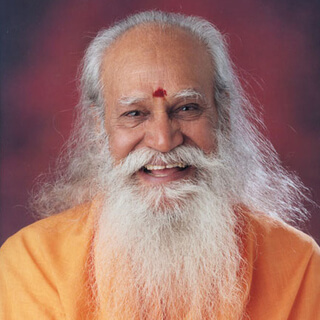
"You do your best. Then you let go." This profound statement by Swami Satchidananda encapsulates a fundamental tension in the human experience: the balance between striving for excellence and the necessity of surrendering to the flow of life. In a world that often equates self-worth with achievement, this teaching invites us to reconsider our relationship with effort and outcome. It reminds us that while diligence is essential, the act of letting go is equally vital for our spiritual and emotional well-being.
In a culture that celebrates relentless ambition, the wisdom of letting go can feel counterintuitive. Yet, this teaching encourages us to engage fully in our endeavors while simultaneously releasing attachment to the results. This duality is not a call to apathy but rather an invitation to cultivate a deeper sense of trust in the universe. By embracing both effort and surrender, we can navigate the complexities of life with grace and resilience, allowing ourselves to flourish without the burden of expectation.
The image / the metaphor
The imagery in Swami Satchidananda's quote evokes a sense of dynamic interplay between action and stillness. The phrase "do your best" suggests a vigorous engagement with life, a call to bring forth our fullest potential. It conjures images of a gardener tending to their plants, nurturing them with care and dedication. Yet, the subsequent command to "let go" introduces a contrasting image of release, akin to a bird taking flight, trusting the winds to carry it. This juxtaposition of effort and surrender creates a felt sense of balance, where both elements are essential to the whole.
In the speaker's tradition
Swami Satchidananda's teachings are rooted in the philosophy of integral yoga, which emphasizes the harmonious integration of body, mind, and spirit. Central to this tradition is the concept of dharma, or one's rightful duty, which encourages individuals to act in alignment with their true nature. The teaching of letting go resonates with the idea of kenosis, a self-emptying that allows for divine grace to flow into our lives. By performing our dharma with dedication and then relinquishing attachment to the outcome, we embody the essence of integral yoga.
In the Bhagavad Gita, a foundational text in the yoga tradition, Lord Krishna advises Arjuna to perform his duty without attachment to the fruits of his actions. This teaching echoes Swami Satchidananda's message, illustrating that true fulfillment arises not from the results we achieve but from the sincerity of our efforts. By aligning our actions with our higher purpose and surrendering the results to the greater whole, we cultivate a sense of inner peace and clarity.
Living the teaching
Consider a modern scenario where this teaching can be applied: a professional striving for a promotion at work. The individual may pour their heart and soul into their projects, working late nights and sacrificing personal time. While this effort is commendable, the stress of waiting for the outcome can be overwhelming. By embracing the teaching of "do your best, then let go," the individual can focus on the quality of their work without becoming consumed by the desire for recognition. This shift allows for a more authentic expression of their talents, fostering a sense of fulfillment regardless of the external outcome.
Another application of this teaching can be found in relationships. Imagine a person who is deeply invested in a friendship but feels a growing distance. The natural inclination may be to cling tighter, attempting to control the dynamics of the relationship. However, by practicing the art of letting go, they can create space for the friendship to evolve organically. This approach not only alleviates pressure but also opens the door for deeper connections, as both parties are free to engage authentically without the weight of expectation.
A reflection
As we contemplate Swami Satchidananda's wisdom, we are invited to reflect on our own lives: In what areas do we find ourselves overly attached to outcomes? How might we practice doing our best while simultaneously allowing for the natural unfolding of life? This contemplative question encourages us to explore the delicate balance between effort and surrender, guiding us toward a more harmonious existence.


Join the BrightStar Community
Stay connected with daily inspiration, event announcements, and community wisdom