Breath as the Bridge to Mastery
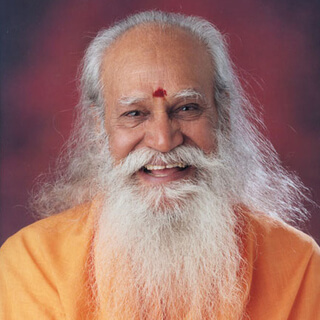
Swami Satchidananda's assertion, "Master the breath, and you master the mind," invites us to explore the profound connection between our breath and our mental state. This statement emphasizes that by gaining control over our breath, we can influence our thoughts, emotions, and overall mental clarity. In a world filled with distractions and chaos, understanding this relationship becomes essential for cultivating inner peace and clarity.
At its core, this quote serves as a reminder of the power we hold within ourselves. Breath is not merely a physiological function; it is a gateway to deeper awareness and self-regulation. When we learn to harness the breath, we unlock the potential to navigate the complexities of our minds, leading to a more harmonious existence. This mastery is not just a skill but a transformative journey towards self-discovery and enlightenment.
The image / the metaphor
The imagery in Satchidananda's quote evokes a sense of control and mastery. The verb "master" suggests a dynamic relationship between the practitioner and their breath, indicating that this is an active process rather than a passive one. The breath serves as both a tool and a medium through which we can engage with our thoughts and emotions. This interplay creates a felt sense of empowerment, as we realize that our breath can be a source of stability amidst the turbulence of life.
Diving deeper into the metaphor, breath symbolizes life itself, a constant reminder of our existence and vitality. To "master" the breath implies a journey of discipline and awareness, where one learns to navigate the ebb and flow of life with grace. This mastery transforms the breath into a sacred practice, allowing us to cultivate mindfulness and presence. In this way, the breath becomes a bridge, connecting the physical realm with the mental and spiritual dimensions of our being.
In the speaker's tradition
Swami Satchidananda's teachings are rooted in the tradition of integral yoga, which emphasizes the holistic integration of body, mind, and spirit. In this context, the mastery of breath aligns with the concept of prajna, or wisdom, which arises from a deep understanding of oneself. The practice of breath control, or pranayama, is a vital aspect of yoga that facilitates this understanding, allowing practitioners to cultivate a state of inner calm and clarity.
Moreover, this teaching resonates with the Yoga Sutras of Patanjali, where the breath is often linked to the concept of dharma, or one's duty and purpose. In the Sutras, the practice of pranayama is described as a means to prepare the mind for meditation, highlighting its role in achieving higher states of consciousness. By mastering the breath, we align ourselves with our true nature, moving closer to the realization of our highest potential.
Living the teaching
Consider a modern scenario where the pressures of daily life can feel overwhelming. Imagine a busy professional facing deadlines and constant demands. In such moments, the practice of breath mastery can serve as a powerful tool for regaining focus and composure. By taking a few moments to engage in deep, intentional breathing, one can shift from a state of anxiety to one of clarity, allowing for more effective decision-making and a greater sense of calm.
A reflection
As we contemplate Swami Satchidananda's wisdom, we are invited to reflect on our own relationship with breath and mind. How often do we allow our breath to guide us in moments of stress or uncertainty? In what ways can we cultivate a deeper awareness of our breath as a means to master our thoughts and emotions? This inquiry opens the door to a transformative practice, encouraging us to embrace the breath as a vital ally on our journey toward self-mastery and inner peace.


Join the BrightStar Community
Stay connected with daily inspiration, event announcements, and community wisdom