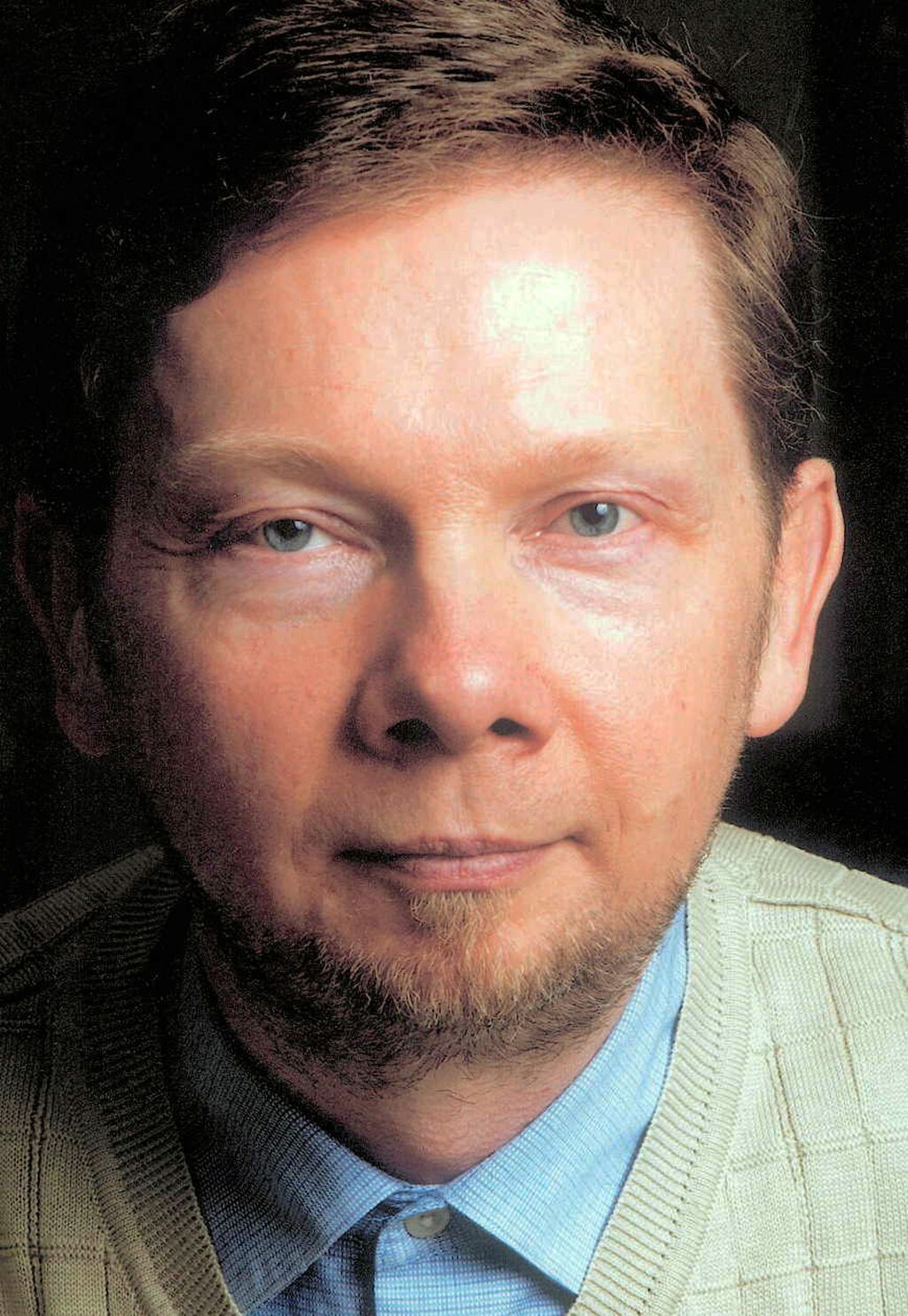
The Power of Now: Embracing the Present Moment
Eckhart Tolle's assertion that "the only thing that matters is what you do right now, in this moment" invites us to consider the profound significance of the present. In a world often preoccupied with past regrets or future anxieties, this statement serves as a gentle reminder to anchor ourselves in the here and now. The stakes are high; our ability to engage fully with the present moment shapes not only our experiences but also our character and mindset. By focusing on the now, we can cultivate a deeper sense of awareness and purpose in our lives.
This emphasis on the present moment is not merely a call to mindfulness; it is an invitation to transform our relationship with time itself. Tolle's words challenge us to recognize that the present is the only realm where we can enact change, make decisions, and foster connections. In doing so, we are encouraged to let go of the burdens of the past and the uncertainties of the future, allowing us to live with intention and authenticity. This perspective is particularly vital for youth development, where the cultivation of character and focus can significantly influence one's path in life.
The image / the metaphor
The imagery in Tolle's quote is striking in its simplicity yet profound in its implications. The phrase "what you do right now" evokes a sense of immediacy and urgency, urging us to take action in the present moment. The verbs chosen—"do" and "matter"—imply that our actions hold weight and significance, emphasizing the importance of our choices and behaviors in shaping our reality. This felt sense of urgency can inspire us to engage more deeply with our lives, recognizing that each moment is an opportunity for growth and transformation.
In the speaker's tradition
Eckhart Tolle's teachings are rooted in a rich tradition of mindfulness and presence, drawing from various spiritual philosophies that emphasize the importance of living in the moment. Concepts such as dharma, which refers to one's duty or path in life, resonate with Tolle's focus on the present as the locus of action and decision-making. Similarly, the idea of kenosis, or self-emptying, invites us to release our attachments to past identities and future expectations, allowing us to embrace the fullness of the present.
In his seminal work, "The Power of Now," Tolle echoes the sentiments found in ancient texts that advocate for mindfulness and presence. For instance, the teachings of the Buddha emphasize the importance of being aware of one's thoughts and actions in the present moment, a practice that leads to greater clarity and insight. By situating Tolle's message within this broader spiritual context, we can appreciate the timeless wisdom that encourages us to cultivate a deep awareness of the now.
Living the teaching
Consider a modern scenario where Tolle's teaching can be applied: a young professional overwhelmed by the demands of work and personal life. In this fast-paced environment, it is easy to become consumed by deadlines and future aspirations, leading to stress and burnout. By embracing the idea that "the only thing that matters is what you do right now," this individual can shift their focus to the present task at hand, allowing them to work with greater clarity and purpose. This practice not only enhances productivity but also fosters a sense of fulfillment and satisfaction in their daily endeavors.
Another application of this teaching can be found in relationships, particularly during moments of conflict or misunderstanding. When tensions arise, it is common to dwell on past grievances or project fears about the future. However, by grounding oneself in the present moment, individuals can engage in open and honest communication, fostering connection and understanding. This practice of presence allows for the cultivation of empathy and compassion, essential qualities for nurturing healthy relationships.
A reflection
As we contemplate Tolle's profound statement, we are invited to reflect on our own relationship with the present moment. How often do we find ourselves lost in thoughts of the past or future, neglecting the richness of the now? In what ways can we cultivate a deeper awareness of our actions and choices in this moment? By posing these questions to ourselves, we can begin to explore the transformative power of presence and its potential to shape our lives.


Join the BrightStar Community
Stay connected with daily inspiration, event announcements, and community wisdom